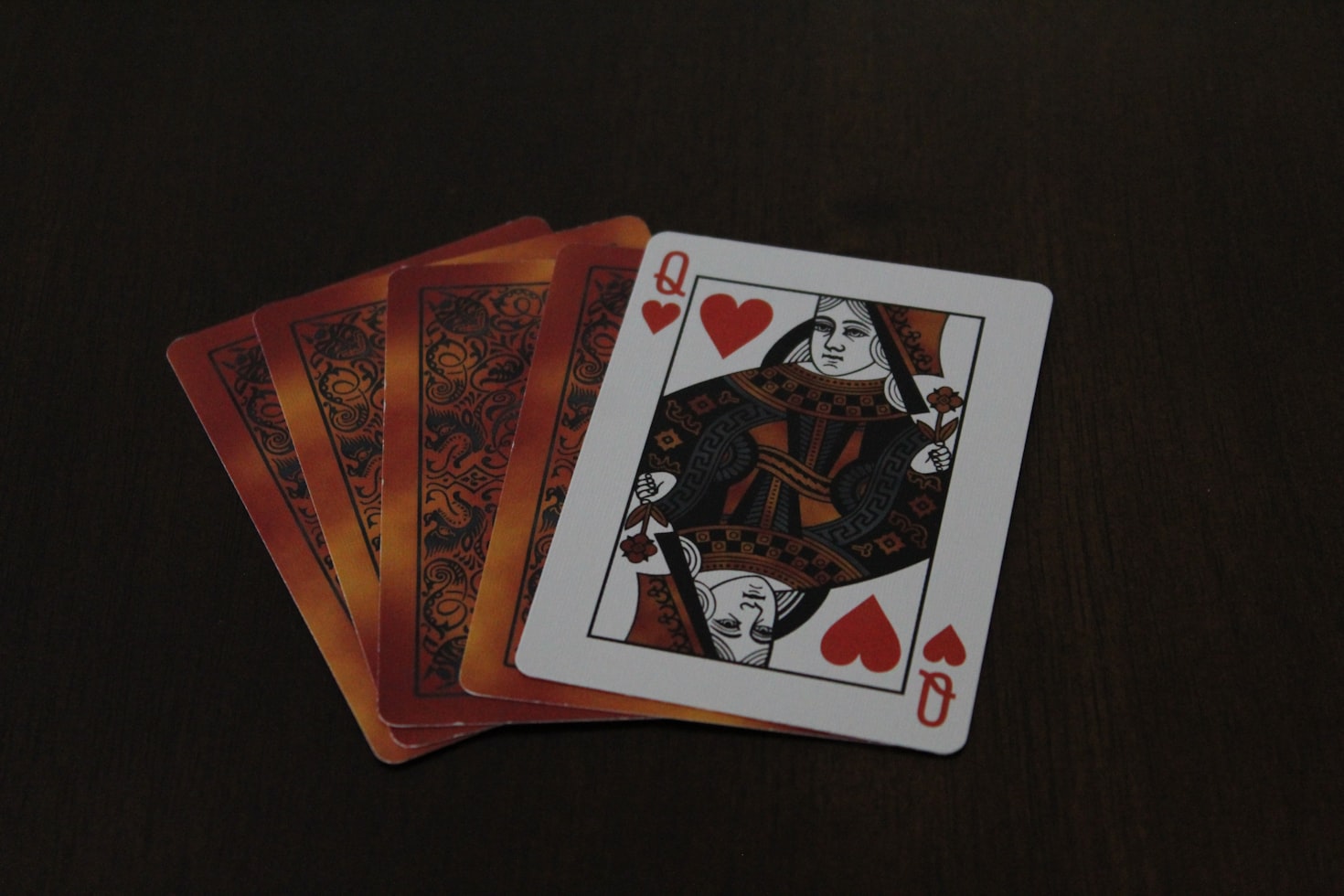
The evolution of casinos A deep dive into their fascinating history
The history of casinos is deeply rooted in human culture, tracing back to ancient civilizations. The earliest forms of gambling can be found in Mesopotamia, where clay tokens and dice were used as early as 3000 BC. Archaeological evidence indicates that gambling was a popular pastime among the ancient Egyptians, who played various games of chance using rudimentary methods. Today, enthusiasts can try their luck while enjoying an ice fishing game online, which combines skill with chance.

As societies evolved, so did their gambling practices. The Romans famously enjoyed betting on chariot races and gladiatorial contests, while the Chinese developed games that incorporated both skill and chance, using tiles that resemble modern playing cards. These early iterations of gambling laid the groundwork for the formal establishments we recognize as casinos today.
The first official casino, the Casino di Venezia, opened its doors in Italy in 1638. This establishment marked a significant shift, as it was designed specifically for gambling and entertainment, unlike earlier makeshift venues. Following its success, other European cities began to adopt the concept, establishing their own casinos, particularly in France and Germany.
The popularity of casinos surged during the 18th century, coinciding with the rise of the bourgeoisie who sought leisure activities. Casinos became lavish destinations, attracting high society with elegant decor, refined dining, and an array of gambling options. This era set the stage for casinos to evolve into multifaceted entertainment hubs.
The 19th century saw a dramatic shift in the gambling landscape with the emergence of casinos in the United States. The first gambling hall in the U.S. opened in New Orleans in the early 1800s. However, it was the development of Las Vegas in the mid-20th century that revolutionized the casino industry. The city transformed into a global gambling capital, offering extravagant resorts and entertainment spectacles.
Las Vegas casinos introduced a unique blend of gaming, entertainment, and hospitality that attracted millions of visitors. The glitz and glamour of these establishments, complete with elaborate shows and luxury accommodations, made gambling an integral part of American culture and a symbol of the American Dream.
The late 20th and early 21st centuries witnessed the rise of online gambling, fundamentally changing the way people engage with casinos. The advent of the internet opened up new possibilities for gamblers, allowing them to play from the comfort of their homes. Online casinos began to flourish, offering a wide range of games and enticing bonuses that traditional casinos struggled to match.
This digital transformation also led to the creation of innovative games, including live dealer options that replicate the casino experience online. Gamblers are now able to engage with others in real-time, blending the traditional casino atmosphere with modern technology. This evolution continues to shape the future of gambling, as new advancements and trends emerge.
The landscape of casinos is constantly evolving, with new concepts emerging to attract a diverse range of patrons. Recent innovations include themed casinos, incorporating elements of pop culture and immersive experiences that transport visitors to different worlds. Moreover, the rise of skill-based games is appealing to younger audiences who seek more than just luck in their gambling activities.
As the industry adapts to changing preferences, online platforms continue to expand, offering unique games like the Ice Fishing Game India, which provides a blend of skill and chance for players seeking excitement and potential rewards. These developments showcase the dynamic nature of the casino industry, ensuring its relevance in a rapidly changing world.
Nasze marki:



Siedziba firmy: EKO Będzin, ul. Adama Mickiewicza 101
ŚPAK – Śląska Pracownia Artystyczno Kulturalna , Bytom, ul. Krawiecka 2
Salon Mebli Dąbrowa Górnicza, DH HETMAN, ul. Jana III Sobieskiego 4a
Meble EKO CH M1 Czeladź, Będzińska 80
 (+48) 502 620 014
  biuro@antykmeble.pl, spak.bytom@gmail.com

 (+48) 502 620 014
  (+48) 506 911 900