Cultural insights into gambling How different societies view risk and reward
The history of gambling stretches back thousands of years, with evidence found in ancient civilizations such as the Chinese, Greeks, and Romans. Each society had its unique views on the practice, often intertwining it with religious rituals or community bonding. For instance, in ancient Rome, gambling was seen as both a pastime and a source of political tension, where the stakes could influence social dynamics. Today, it’s interesting to note that some platforms are akin to no gamstop casino options, inviting ongoing debates about risk and reward.

In contrast, cultures like the Native Americans integrated gambling into their social fabric, using games of chance for entertainment and community cohesion. This historical context illustrates how gambling has often been viewed as a double-edged sword—providing excitement and reward but also leading to moral dilemmas and societal challenges.
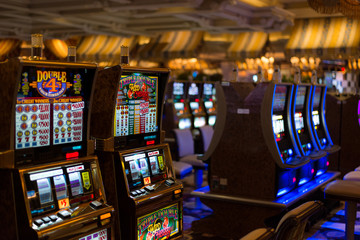
In contemporary society, attitudes towards gambling vary widely, influenced by cultural norms, legal frameworks, and economic conditions. In places like Las Vegas, gambling is celebrated as a form of entertainment, drawing millions of tourists each year. This acceptance contrasts sharply with countries where gambling is heavily regulated or even banned, reflecting deep-seated beliefs about morality and risk.
For example, many Asian cultures traditionally view gambling with suspicion, often linking it to family issues and social problems. This ambivalence can lead to a complex relationship with gambling, balancing the allure of potential financial gain against the risks of addiction and social stigma.
The advent of technology has transformed gambling, making it more accessible than ever. Online platforms have reshaped how people engage with games of chance, fostering a new global gambling culture. This shift has brought about both positive and negative implications, as societies grapple with the increased risk of addiction and the challenge of regulating online gambling.
In regions where online gambling is embraced, it often reflects a more liberal attitude toward risk. Conversely, countries that restrict these platforms may be doing so to protect societal values and curb potential harm. The technological evolution of gambling thus highlights a significant cultural divide regarding risk and reward.
Gambling also has profound socioeconomic implications, influencing everything from local economies to individual lives. In areas where gambling is a legal and thriving industry, it can provide jobs and tax revenue, boosting local economies. However, this comes at a cost, as communities may face increased rates of addiction and social issues related to gambling.
Socioeconomic status also plays a critical role in how gambling is perceived. Lower-income individuals might view gambling as an opportunity to escape financial hardship, while wealthier communities may regard it as a recreational activity. This disparity raises important questions about risk and reward and highlights the need for responsible gambling practices across all socioeconomic groups.
Understanding the cultural insights into gambling allows for a deeper appreciation of how different societies navigate the concepts of risk and reward. While some cultures embrace gambling as a form of entertainment, others approach it with caution, shaped by historical, social, and economic factors. This diversity of perspectives enriches the global conversation about gambling and its implications for individuals and communities.
As our understanding of these cultural insights continues to evolve, it’s crucial to promote responsible gambling practices and foster discussions around the benefits and risks associated with gambling activities. Exploring these varied viewpoints can lead to a more nuanced appreciation of gambling in the context of global society.
Nasze marki:



Siedziba firmy: EKO Będzin, ul. Adama Mickiewicza 101
ŚPAK – Śląska Pracownia Artystyczno Kulturalna , Bytom, ul. Krawiecka 2
Salon Mebli Dąbrowa Górnicza, DH HETMAN, ul. Jana III Sobieskiego 4a
Meble EKO CH M1 Czeladź, Będzińska 80
 (+48) 502 620 014
  biuro@antykmeble.pl, spak.bytom@gmail.com

 (+48) 502 620 014
  (+48) 506 911 900

